Start with approach and obstacles
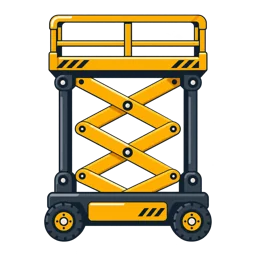
- Can the machine sit directly under the work? If yes, a scissor is often the simplest path.
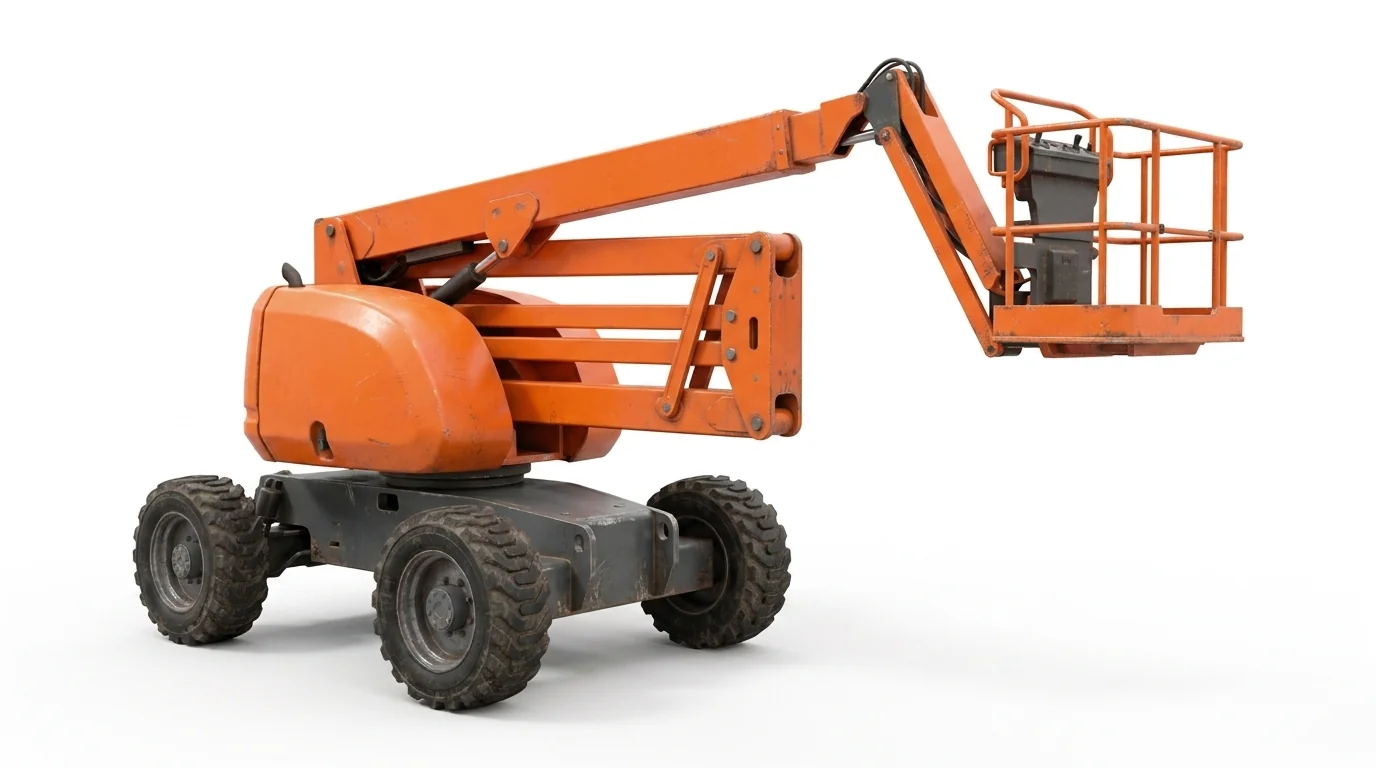
- Are there rails, stalls, conveyors, or landscaping between the machine and the target? That raises the case for a boom.
- How tight is the route from staging to the work face? Width and turning radius can eliminate larger frames.
How local conditions influence the pick
- Rolling grades and soft ground around Lexington push outdoor comparisons toward rough‑terrain scissors or booms with off‑road capability.
- Quiet, fume‑free operation is important in large interior facilities; compact electrics reduce disruption.
Scissor vs. boom in common scenarios
- Warehouse lighting or interior mechanical work: electric scissor with non‑marking tires; see Electric Scissor Lift Rental.
- Exterior façade, signage, or yard work on uneven pads: rough‑terrain scissor; see Rough Terrain Scissor Lift Rental.
- Work over obstacles or along rooflines: articulating or telescopic booms; see Boom Lift Rental.
Key measurements that narrow models
- Working height and side reach (if needed)
- Platform capacity for tools, panels, or fixtures
- Surface type, slope, and soil firmness along the route
- Clearance at doors, ramps, and transitions
Planning for Lexington’s weather windows
Frequent rain can saturate exterior routes and delay elevation on soft soils. Build schedule flexibility around ground conditions and the setup requirements of the chosen unit.