Define the job geometry first
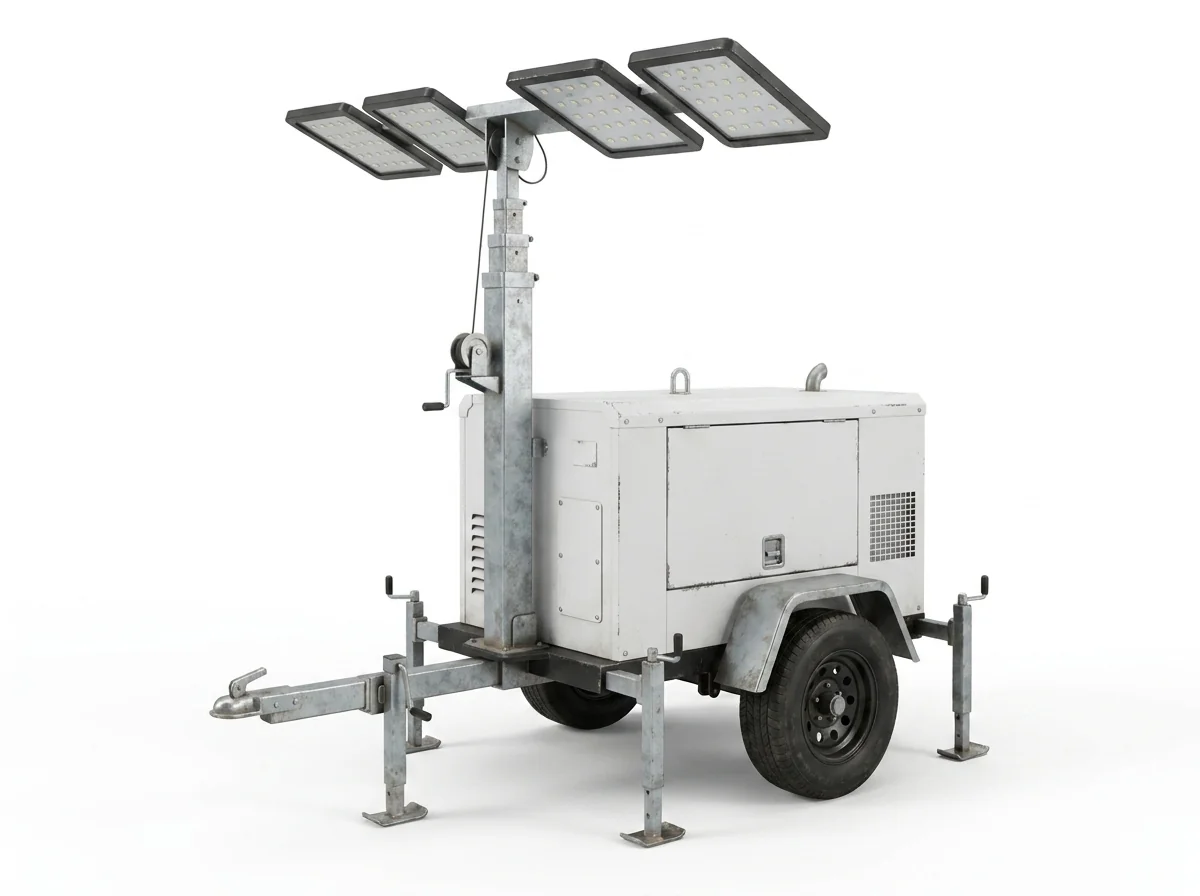
- Where does the generator or light tower sit relative to the work? Long cable or light throw reduces placement flexibility, especially around parking lots, barns, and arena aprons.
- What is the continuous run window? Overnight lighting and multi-shift power needs point toward larger fuel capacity and sound attenuation for neighbors.
- Are there overhead obstructions? Tree canopies and arena trusses can block light patterns and restrict mast height.
How Lexington conditions change the comparison
- Rolling Bluegrass ground and karst-affected soils can be uneven or soft after rain. A unit with a wide stance, outriggers, or all-terrain towability reduces sink-in and tilt risk during staging.
- Seasonal precipitation means graded gravel holds up better than turf. If the unit must cross grass to reach an arena, paddock, or back-lot service door, plan for higher flotation tires or shorter tow paths.
- Campus-style maintenance and healthcare facilities often require quieter packages and compact footprints to fit in service courts without disrupting traffic.
Narrow by numbers
- Generator sizing: total running load plus typical start-up surge. Identify the largest motor or pump. Voltage and phase must match the distribution plan.
- Cable runs: longer distances increase voltage drop and dictate conductor sizes and connection locations. Confirm where distribution panels or temporary spider boxes can sit.
- Light coverage: target lux/foot-candle levels over the task area. Tall masts help in broad parking lots; directional heads matter for long aisleways, staging yards, and equestrian arenas with high ceilings.
Access, surface, and placement
- Access route: note gate width, curb cuts, and any slope on the approach. Wet shoulders and ditch lines along rural drives can limit trailer movement.
- Surface bearing: soft soils after freeze–thaw cycles benefit from outrigger pads and wider jack placement.
- Wind exposure: open fields and hilltops can be gusty. Actual conditions and the selected unit’s instructions govern mast extension and outrigger deployment.
Related lift work
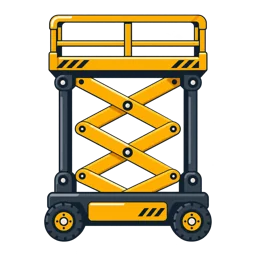
If the lighting or cabling supports elevated maintenance, compare lift access: - Interior tasks with finished floors: /electric-scissor-lift-rental/ - Exterior or uneven ground: /rough-terrain-scissor-lift-rental/ - Broad reach needs above obstacles: /boom-lift-rental/
When to consider alternatives
- Short daytime outages near buildings with spare capacity may favor tap-in to existing panels using permitted temporary distribution.
- Tight courtyards can benefit from compact light towers with segmented masts instead of full-size trailer units.