Straight reach versus obstructions
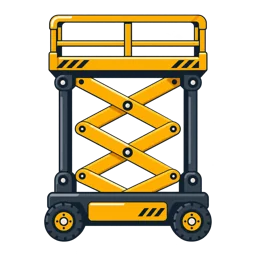
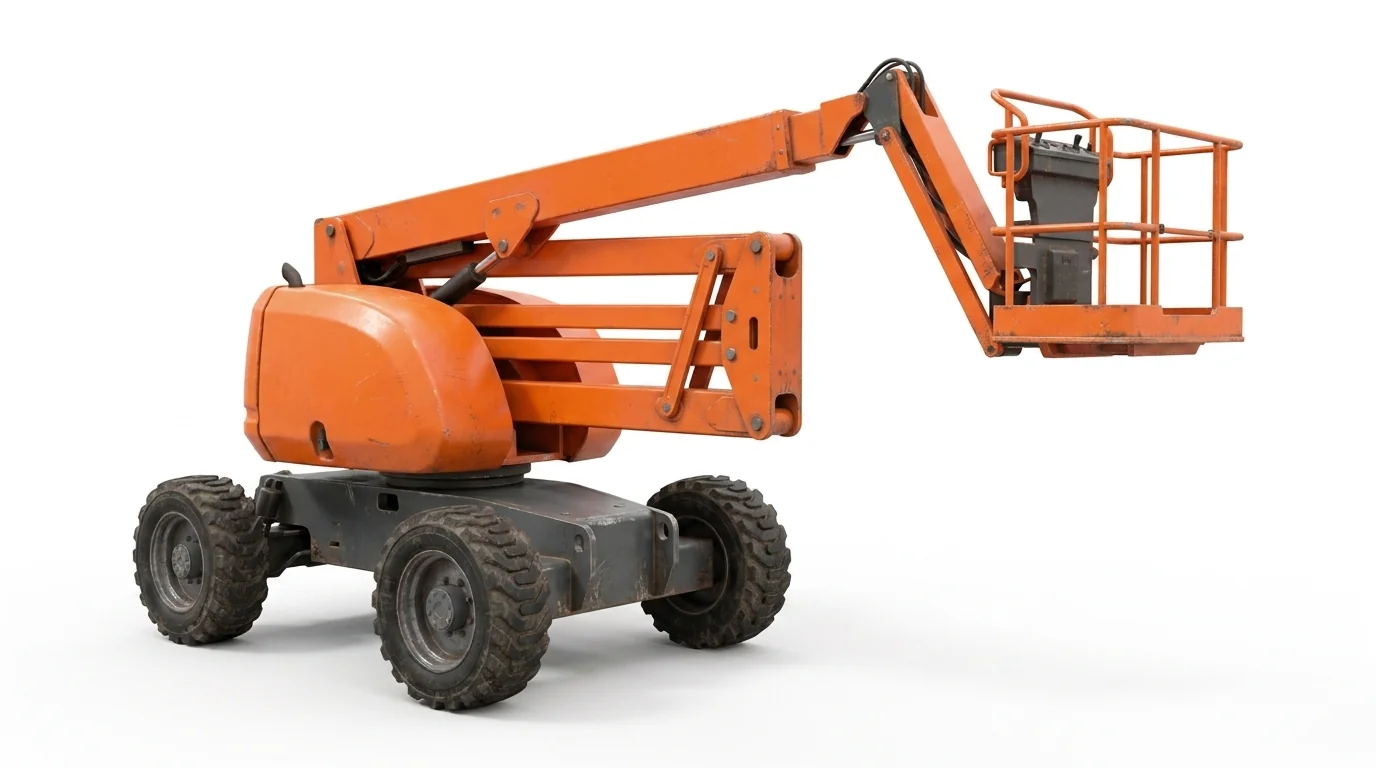
Choose a telescopic boom when the path to the work point is clear. If ductwork, roof edges, canopies, or interior catwalks block the line, compare an articulating unit at /articulating-boom-lift-rental/. For simple vertical access at lower heights on slab, an /electric-scissor-lift-rental/ may be more efficient.
Lexington ground and weather factors
Rolling grades and karst pockets mean the setup location deserves as much planning as the height. After heavy precipitation or freeze‑thaw, soil can soften around industrial pads and barn perimeters. Four‑wheel‑drive and rough‑terrain packages are commonly needed to approach exterior walls and signage safely under site rules.
Measurements that narrow the model
- Required platform height and horizontal outreach to the work point
- Allowed approach angle and space to swing the boom without striking obstacles
- Entry constraints: gate width, overhead lines, and staging room for transport
- Platform capacity for crew and long materials
Typical Lexington tasks
- Long‑reach repairs on distribution façades and tilt‑wall panels
- Lighting and banner work along open lots where a straight shot is available
- Elevated inspection on large industrial sites with clear approach lanes
Powertrain choices
- Diesel rough‑terrain: Best for outdoor distances and varied ground.
- Hybrid or electric: Limited straight‑boom options exist for low‑emission zones but require slab support and charging access.
For jobs that need more finesse over obstacles, see /articulating-boom-lift-rental/. For vertical work with staging below the task and less outreach, see /rough-terrain-scissor-lift-rental/.