Job geometry and access pattern
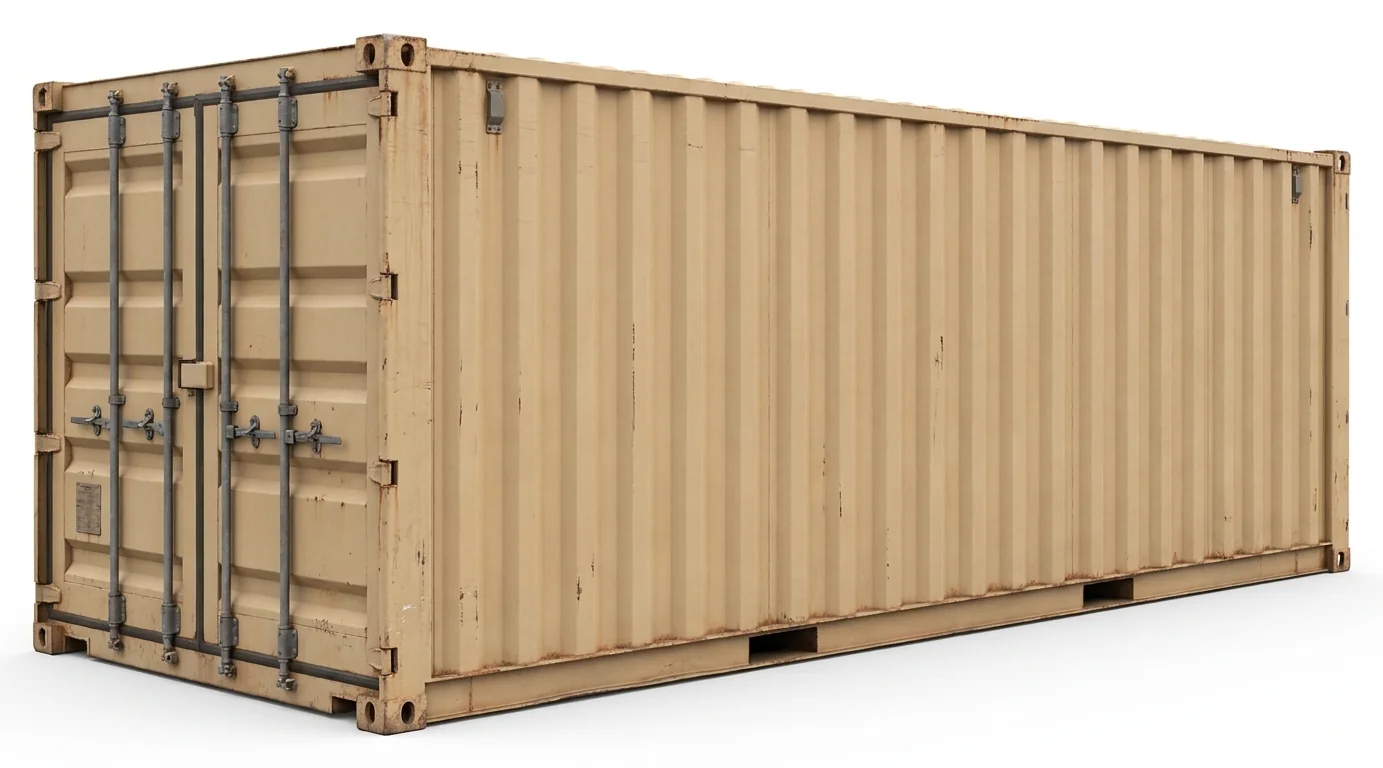
- Door swing and clearance: confirm the apron in front of the doors, especially near arena walls, dock aprons, or narrow service lanes.
- Daily use versus long-term staging: frequent in-and-out favors ground-level placement near work areas; long-term storage can sit farther away on firmer pads.
- Loading method: forklifts and pallet jacks need flat, compacted surfaces and minimal threshold gaps.
Lexington surface realities
- Rolling terrain can twist containers if set on uneven ground. Even minor slope across Bluegrass hills can affect door alignment.
- After wet spells or freeze–thaw, turf and topsoil soften. Containers concentrated on soft edges may settle; gravel or well-compacted pads distribute load more evenly.
- Rural drive approaches to barns or outbuildings may have tight turns and culverts that restrict delivery trucks. Measure gate widths and turning radii.
Sizing and structure
- Length and height: match internal cubic space to racking or tall maintenance items. High-cube units help with bulky equestrian equipment or HVAC components.
- Floor loading: concentrated loads from metal parts bins or masonry require awareness of point loads versus uniform loads.
- Security and ventilation: select locking hasp styles and venting appropriate for sensitive materials or chemicals used in facility maintenance.
Placement constraints
- Bearing capacity: verify stable, level points at all four corners; shims or pads may be needed to avoid racking.
- Drainage: avoid low spots that pond water along the door side.
- Adjacent operations: campus and industrial sites often require clear fire lanes and access for lifts. Keep routes open for /forklift-rental/ and /telehandler-rental/ if materials will be moved.
Coordination with elevated work
For storage that supports overhead maintenance, align placement with lift access: - Interior service corridors: /vertical-mast-lift-rental/ - Finished floors and narrow aisles: /electric-scissor-lift-rental/ - Outdoor yards and uneven surfaces: /rough-terrain-scissor-lift-rental/