Where vertical masts make sense
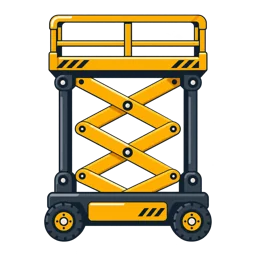
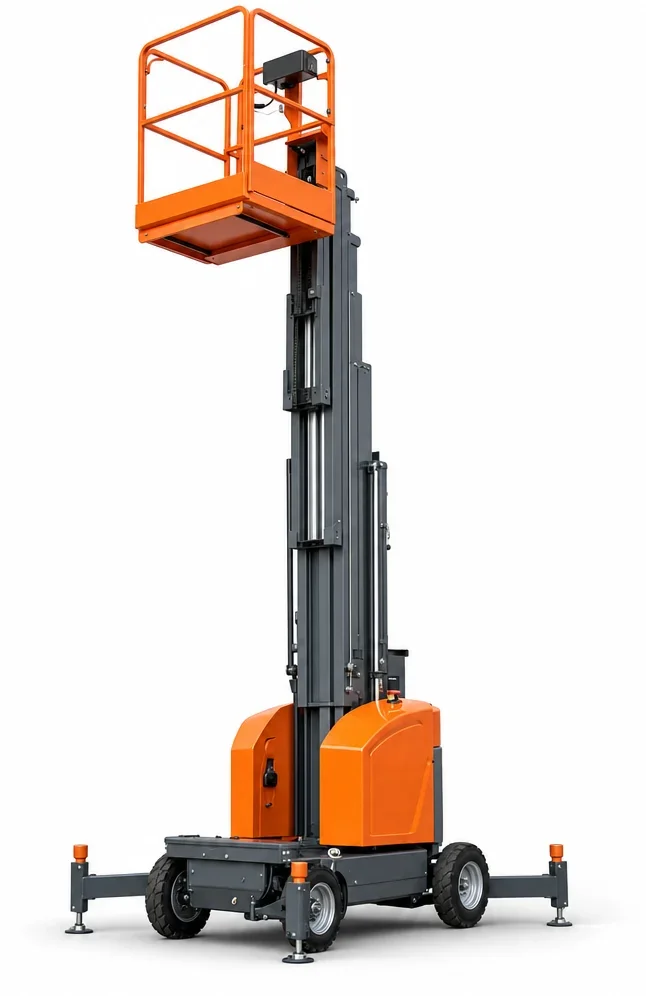
When the task sits directly overhead and space is tight—between racks, under mezzanines, along concourses, or on smooth arena floors—a vertical mast’s small chassis and close turning radius beat bulkier lifts. If obstacles demand up‑and‑over reach, compare /articulating-boom-lift-rental/. If more deck space is needed for materials, see /electric-scissor-lift-rental/.
Lexington constraints that matter
Older buildings and specialized venues around the city often have narrow entries and sensitive flooring. Non‑marking tires, low point loads, and compact weight footprints reduce impact on polished slabs and finished surfaces. Transport paths may include elevators or tight corners where machine length and swing clearance are critical.
Measurements to gather
- Door and gate widths, elevator car size, and thresholds
- Floor load rating and any surface protection requirements
- Working height versus needed platform capacity for tools
- Turning radius versus aisle width at the tightest corner
Typical Lexington uses
- Lighting repairs and signage inside large interior corridors
- Sensor, cabling, and fire protection work between racking
- Touch‑up painting or fixture swaps along arena perimeters
For outdoor or uneven approaches, a /rough-terrain-scissor-lift-rental/ or a /boom-lift-rental/ may be more suitable under site procedures.
Keep the comparison specific
A useful equipment discussion starts with the work height, the practical machine position, the route into the area, the floor or ground along that route, and the people, tools, or material involved. Those details clarify whether vertical access, outreach, or material placement is the real constraint.